DESIGN DEMANDS LABOR is a nonpartisan initiative that makes one thing clear: you can’t design safe, affordable, on-time projects if the workforce isn’t stable. Our mission is to help architects, engineers, contractors, and landscape professionals talk plainly about labor shortages—and to honor the long and essential role immigrant workers have played in building the places where people live, work, and gather.
A workforce problem that’s already here
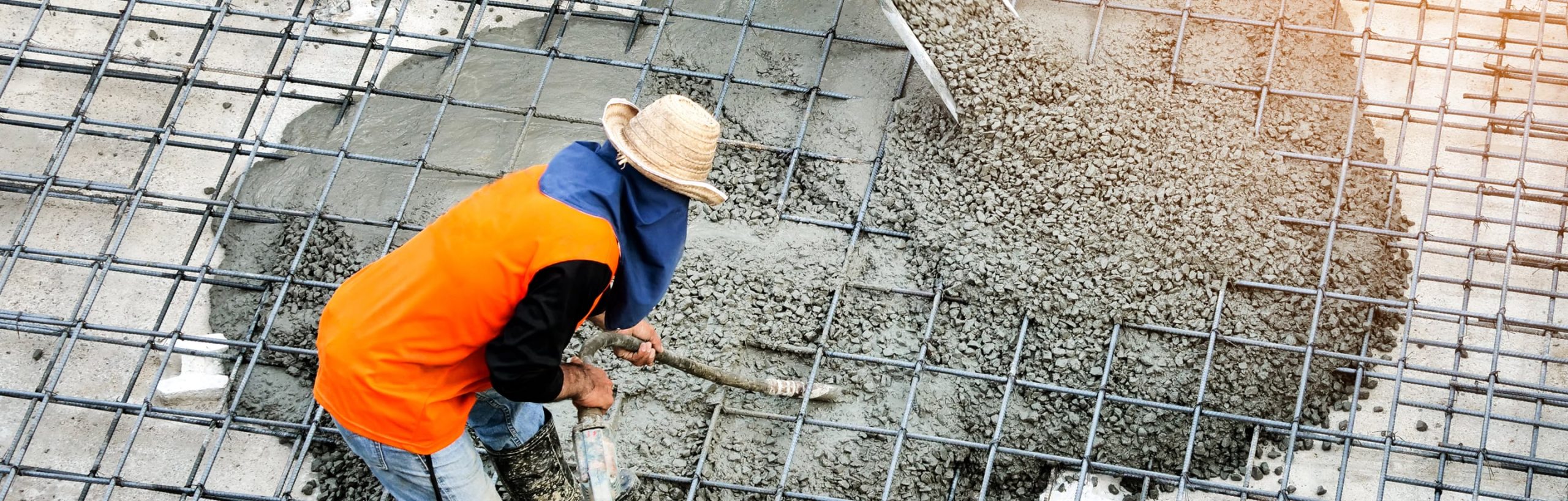
The construction and landscape industries are running on thin crews. The workforce is aging, fewer young people are entering the trades, and the number of people available to work hasn’t bounced back to pre-2020 levels. By 2030, the industry faces a gap of millions of skilled trades positions, driven by demographics, slow training pipelines, and growing demand for housing, infrastructure, and climate-resilient projects[1][2][3].
If current deportation and enforcement pressures continue, that gap will hit hard on the ground: delays, higher costs, compromised safety, and projects that don’t open on time—from housing and schools to parks and private residential developments[4][5].

Immigrant workers have always built this country
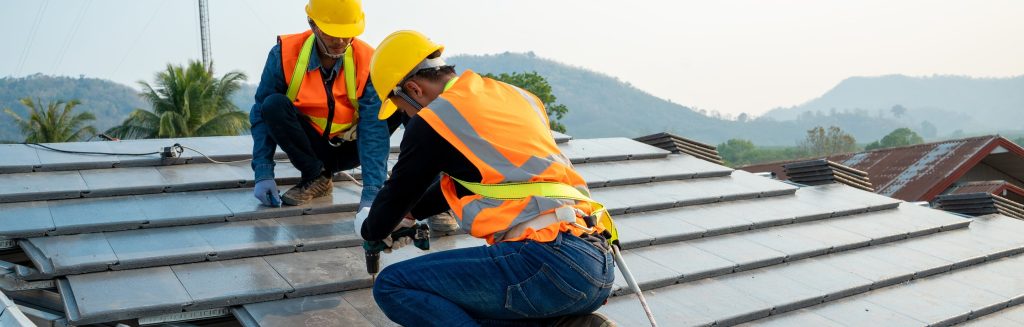
Immigrant labor has been part of the blueprint for generations. In the 19th century, immigrant framers and laborers helped lay the rails, roads, and early cities. Today, immigrant crews are the backbone of many construction and landscape teams: framers, roofers, concrete finishers, masons, and landscape installers[6][7][8].
In major metropolitan areas, foreign-born workers often make up more than one-third of the construction workforce, and in many trades, immigrant representation exceeds that of the broader economy[9][10][11].
Immigrant workers are not a “quick fix.” They anchor small contracting firms, lead crews, and keep the tough, hands-on work going on landscapes, stormwater systems, and neighborhoods. Without them, projects stall, maintenance backlogs grow, and communities lose the resilience that well-built infrastructure provides[6][12][13].
What we’re here to do
The mission of Design Demands Labor is to:
- Make workforce stability a normal part of the conversation—not as politics, but as a Health, Safety, and Welfare issue that affects every project.
- Connect real-world experience to hard data, showing how labor shortages—from subdivisions and single-family homes to public parks and schoolyards—threaten delivery, safety, and public benefit[2][4][14].
- Name the structural roots of the shortage: an aging workforce, weak recruitment into the trades, and enforcement and deportation policies that thin already-stretched crews[4][9][15].
- Empower AEC and landscape professionals with clear, nonpartisan language and tools they can use in reports, bids, public meetings, and education sessions—so they’re not talking around the issue, but talking about it head-on.
By treating immigrant workers as part of the built environment’s human infrastructure, and by treating workforce stability as a core project condition, we can help communities stay on track with the projects that shape their future[6][7][9].
REFERENCES
[1] Machinery Partner. Labor Shortages in Construction: Solutions for Recruitment and Retention. September 2024. https://www.machinerypartner.com/blog/labor-shortages-in-construction-solutions-for-recruitment-and-retention
[2] Procore. The Value of a Construction Company Mission Statement. February 2025. https://www.procore.com/library/construction-company-mission-statement
[3] Insurica. Attracting and Retaining Construction Workers in Today’s Market. June 2023. https://insurica.com/blog/attracting-and-retaining-construction-workers/
[4] Duke Center for Policy and History in the Americas. Immigrants Built America, Can We Keep Building Without Them? April 2025. https://cpha.duke.edu/news-events/news/immigrants-built-america-can-we-keep-building-without-them
[5] Baker Institute. Boost US Construction Workforce by Employing More Immigrant Labor. October 2024. https://www.bakerinstitute.org/research/boost-us-construction-workforce-employing-more-immigrant-labor
[6] Urban Institute. Building America: The Immigrant Construction Workforce. November 2016. https://www.urban.org/urban-wire/building-america-immigrant-construction-workforce
[7] Urban Institute. Building America: The Immigrant Construction Workforce (Part 2). November 2016. https://www.urban.org/urban-wire/building-america-immigrant-construction-workforce-0
[8] Construction Workforce Project. About Us. April 2024. https://constructionworkforceproject.org/about-us/
[9] Eye on Housing. Immigrant Share in Construction Sets New Record. November 2024. https://eyeonhousing.org/2024/11/immigrant-share-in-construction-sets-new-record/
[10] NAHB. Geographic Concentration of Immigrants in Construction. January 2026. https://www.nahb.org/advocacy/industry-issues/labor-and-employment/immigration-reform-is-key-to-building-a-skilled-workforce/geographic-concentration-of-immigrants-in-construction
[11] NAHB. Concentration of Immigration in Construction Trades. November 2024. https://www.nahb.org/advocacy/industry-issues/labor-and-employment/immigration-reform-is-key-to-building-a-skilled-workforce/
[12] CPWR. Immigrants in the Construction Industry. https://www.cpwr.com/wp-content/uploads/Immigrants-in-Construction.pdf
[13] Risk and Insurance. U.S. Commercial Construction Reaches Historic Peak—But Storm Clouds Gathering. November 2025. https://riskandinsurance.com/u-s-commercial-construction-reaches-historic-peak-but-storm-clouds-gathering/
[14] ENR. Wanted: Core Skills to Take AEC Sector Employees to the Top. January 2024. https://www.enr.com/articles/57176-wanted-core-skills-to-take-aec-sector-employees-to-the-top
[15] Construction Trades Workforce Initiative. Home. October 2024. https://ctwi.org